
With the changing landscape of charitable giving strategies, it’s always helpful to sit down each year and map out a plan for who and how you plan to support organizations you are passionate about. While gift planning is only one element of a financial plan, it is an important one for a couple of reasons. First and most importantly, you are typically supporting a church, temple or organization that you are truly passionate about. Gifting also impacts an individual’s financial plan in areas of tax and investment planning, which is why it is important to have proper guidance in this area. Here are 3 strategies that are often overlooked when it comes to charitable giving:
Qualified Charitable Distribution (QCD)
Once an individual reaches 72 years old (or 70 ½ if turned 70 ½ before January 1, 2020) they are responsible for removing funds from their individual retirement account (IRA) to meet required minimum distributions (RMD) each year. This amount is calculated each year based on your final balance at the end of the previous calendar year and life expectancy formula that is provided by the IRS. Once the RMD amount is taken for the year, that amount is added to your taxable income for the year.
In 2006, Congress authorized Qualified Charitable Distributions (QCD) providing IRA account holders over the age of 70 1/2 an option to make Qualified Charitable Distributions directly out of their IRA to a qualified 501(c)(3) organization. The QCD amount can offset the RMD amount up to $100,000 per year (2021). This allows for reduction of the taxable income that your RMD would have generated. This could also impact tax on social security payments and medicare premium costs.
The logistics of the QCD are typically easy; the custodian of your accounts can provide you with instructions. Some firms, like the one we use, allow for check writing directly out of an IRA. It is important to make sure the amount goes directly to the charity from the IRA and that you receive a receipt from the organization in the year it was given.
Donating Low Basis Investments
A second strategy to consider is donating highly appreciated investments from a taxable brokerage account directly to your favorite charity. This works well because you are not required to realize the large capital gain on the appreciated security. For example, you have 100 shares of a company that was purchased at $24 per share. At the time of making your $3,000 gift to the charity, that same stock is trading at $60 per share. You have the option to donate 50 shares directly to the charity rather than donating cash or selling stock to make your donation.
This is also an easy process that most non-profit organizations are familiar with. It typically requires obtaining a receiving number referred to as a DTC number from the organization. You then provide that DTC number on a form or in writing to the company where your investments are held. It’s a good idea to save the form along with a receipt from the organization.
Donor Advised Fund (DAF)
Not ready to donate the full amount to an organization but want the tax deduction in one year? A Donor Advised Fund (DAF) can be a great option. A DAF is a charitable giving account that is administered by a designated sponsor. Once funded, grants can be made in that year, future years or after a donor's life. A DAF also has the flexibility to be used as a vehicle for multigenerational giving, if the donor would like to have a successor take over in the future. Some sponsors offer no minimum balance requirements and low administrative fees. Publicly traded stocks, bonds and cash are the most common funding options for DAF. Real estate and privately held business interests are also funding options.
The account opening process is typically just as easy as opening up any other type of brokerage account. Investment options and fees within the DAF do vary so it’s important to research before selecting a sponsor. There are some restrictions on non-profit organizations that can be granted to, so check with the DAF sponsor on which types of organizations they may have restrictions on.
When it comes to financial planning strategies the only thing constant is change. That is why it is important to discuss these ideas further with your financial or tax professional. I truly hope one or more of these ideas has a positive impact on you and your favorite cause.
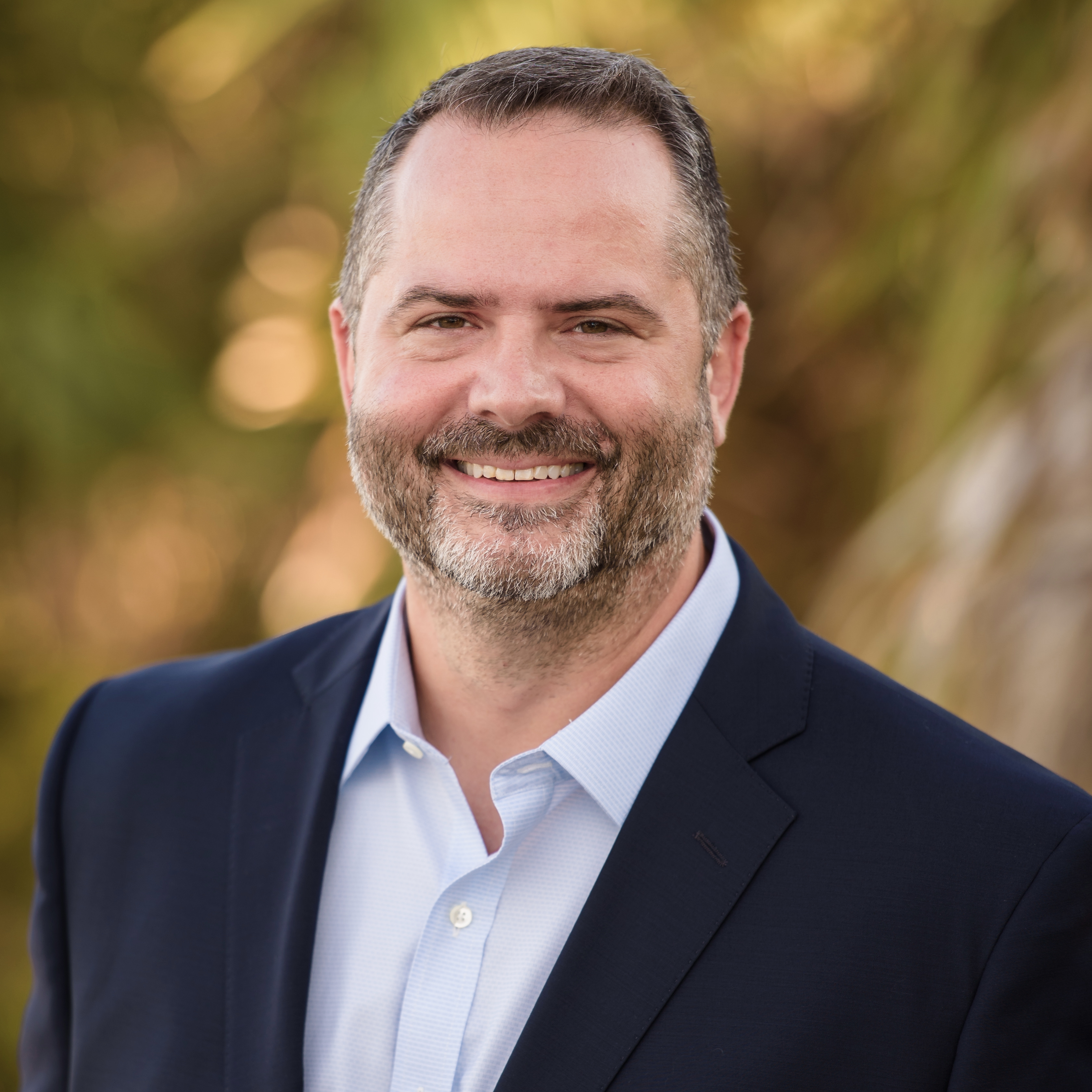
Chris Shoup, CFP®
Founder, Financial Advisor


We deliver financial planning and investment management strategies that are personalized to your needs, goals and lifestyle.
Talk with an AdvisorOffice: 1600 E 8th Ave., Ste. A200 Tampa, FL 33605
Additional Meeting Location: 200 Central Ave. St. Petersburg, FL 33701
© Southshore Financial Planning. All Rights Reserved. Privacy Policy. Form ADV. Designed by Converting Attention.
Southshore Financial Planning LLC (“Southshore Financial Planning”, “Southshore”) is a registered investment advisor offering advisory services in the State of Florida and in other jurisdictions where exempted. Registration does not imply a certain level of skill or training. The presence of this website on the Internet shall not be directly or indirectly interpreted as a solicitation of investment advisory services to persons of another jurisdiction unless otherwise permitted by statute. Follow-up or individualized responses to consumers in a particular state by Southshore Financial in the rendering of personalized investment advice for compensation shall not be made without our first complying with jurisdiction requirements or pursuant to an applicable state exemption.
All written content on this site is for information purposes only. Opinions expressed herein are solely those of Southshore Financial Planning, unless otherwise specifically cited. Material presented is believed to be from reliable sources, and no representations are made by our firm as to other parties’ informational accuracy or completeness. All information or ideas provided should be discussed in detail with an advisor, accountant or legal counsel prior to implementation.
